

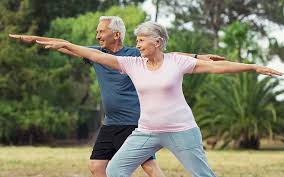
Maintaining good balance is crucial for overall health, especially as we age. A loss of balance can lead to falls, which are a major cause of injuries in older adults. Fortunately, physical therapy provides an effective solution for improving balance and preventing falls. In this article, we will explore the top exercises recommended by physical therapists that can help you maintain your balance and reduce the risk of falls.
The Importance of Balance Exercises
Before diving into the specific exercises, it’s important to understand why balance exercises are essential. Good balance relies on a combination of strength, coordination, flexibility, and the ability to process information from your surroundings. As we age, these factors can decline, increasing the risk of falls. Regular balance exercises strengthen muscles, improve joint flexibility, and enhance your ability to react to changes in your environment.
If you are looking for professional guidance in improving your balance, you may want to consider seeking physical therapy Scranton PA. A skilled physical therapist can create a personalized plan to help you achieve better balance and prevent falls.
Key Exercises to Improve Balance and Prevent Falls
1. Standing on One Leg
One of the simplest yet most effective balance exercises is standing on one leg. This exercise targets your core and leg muscles, which are essential for stability.
How to do it:
- Stand tall with your feet hip-width apart.
- Lift one leg off the ground, bending the knee slightly.
- Hold this position for 10 to 30 seconds.
- Repeat on the other leg.
- Try to increase the duration as you become more comfortable.
Benefits: This exercise strengthens the lower body, particularly the muscles around the ankle, knee, and hip, which are crucial for maintaining balance.
2. Heel-to-Toe Walk
The heel-to-toe walk, also known as the “tightrope walk,” is an excellent exercise for improving coordination and balance.
How to do it:
- Find a straight line or imagine one on the floor.
- Walk in a straight line by placing the heel of one foot directly in front of the toes of the other foot.
- Focus on maintaining a steady pace and balance.
- Repeat for 10 to 15 steps.
Benefits: This exercise challenges your balance by forcing your body to stay aligned while walking. It helps improve coordination and the stability of the ankle and hip muscles.
3. Tai Chi
Tai Chi is a low-impact exercise that combines slow, controlled movements with deep breathing. It’s often recommended for older adults because it improves both balance and flexibility.
How to do it:
- Take a beginner’s class or follow along with online videos.
- Practice slow, controlled movements, such as shifting your weight from one leg to the other and performing slow, flowing motions with your arms.
- Focus on maintaining a steady, relaxed posture throughout the session.
Benefits: Tai Chi has been shown to reduce the risk of falls by improving balance, flexibility, and overall body awareness. It’s particularly helpful for those with mobility issues.
4. Squats
Squats are a fundamental exercise that builds strength in the legs and core, both of which are crucial for maintaining balance.
How to do it:
- Stand with your feet shoulder-width apart.
- Slowly bend your knees and lower your body as if sitting back into a chair.
- Keep your chest up and your knees aligned with your toes.
- Return to a standing position and repeat for 10 to 15 repetitions.
Benefits: Squats target the muscles in the legs, glutes, and core, providing the strength needed to support your body and maintain balance during daily activities.
5. Step-Ups
Step-ups are an effective exercise for improving balance and strength, especially in the lower body.
How to do it:
- Stand in front of a step or sturdy platform.
- Step one foot up onto the platform, then bring the other foot up to meet it.
- Step back down with one foot, then the other.
- Repeat for 10 to 15 repetitions on each leg.
Benefits: Step-ups help strengthen the muscles in the legs, hips, and core, which are essential for stabilizing your body while walking or standing.
6. Bridges
Bridges are a great way to strengthen the core, lower back, and glute muscles, which play a vital role in balance.
How to do it:
- Lie on your back with your knees bent and feet flat on the floor.
- Lift your hips toward the ceiling, creating a straight line from your shoulders to your knees.
- Hold the position for a few seconds, then slowly lower your hips back to the floor.
- Repeat for 10 to 15 repetitions.
Benefits: Bridges strengthen the muscles that support the spine and pelvis, which are crucial for maintaining stability and balance.
Also, read more Yearly Magazine and Magazine Valley.
7. Wall Push-Ups
Wall push-ups are a modified version of traditional push-ups that target the upper body and core muscles, improving stability.
How to do it:
- Stand facing a wall with your feet shoulder-width apart.
- Place your hands on the wall at shoulder height.
- Slowly lower your chest toward the wall by bending your elbows.
- Push back to the starting position.
- Repeat for 10 to 15 repetitions.
Benefits: Wall push-ups improve upper body strength, which helps stabilize the trunk and improve posture, ultimately supporting better balance.
8. Leg Raises
Leg raises help improve strength in the hips and lower back, which are key for maintaining balance and preventing falls.
How to do it:
- Sit or stand with your back straight.
- Slowly raise one leg to the front, side, or back.
- Hold for a few seconds, then lower your leg back to the starting position.
- Repeat for 10 to 15 repetitions on each leg.
Benefits: Leg raises target the hip flexors and core muscles, improving coordination and strength, which are important for balance.
Conclusion
Improving balance and preventing falls requires a combination of exercises that target strength, coordination, flexibility, and stability. The exercises listed above, such as standing on one leg, heel-to-toe walks, and squats, can help you build the necessary skills to stay steady on your feet. For personalized guidance and support, consider seeking professional help through physical therapy Scranton PA, where physical therapists can create a tailored plan to address your specific needs and goals.
